
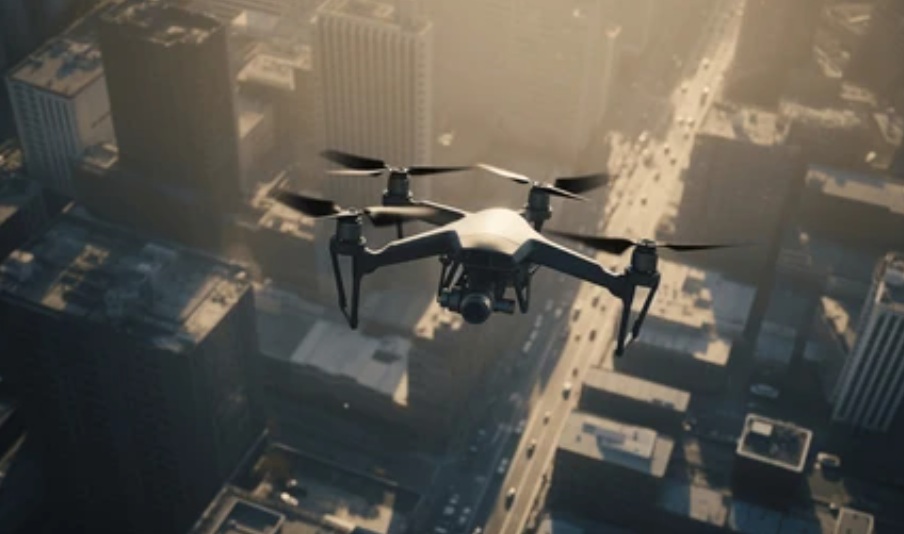
Bridge inspection is a critical task to ensure the safety and longevity of infrastructure. Traditional methods often involve manual labor, scaffolding, or rope access, which can be time-consuming, costly, and hazardous. However, technological advancements have introduced efficient alternatives, with drones becoming a prominent tool in this field. Utilizing bridge inspection with a drone has revolutionized how engineers and inspectors monitor structural integrity, providing unparalleled access to hard-to-reach areas and delivering high-resolution imagery in real time.
The Rise of Drones in Infrastructure Surveillance
Drones, also known as unmanned aerial vehicles (UAVs), have evolved significantly in recent years. While the terms UAV and drone are sometimes used interchangeably, a UAV generally refers to the vehicle itself, whereas a drone often implies a more autonomous system equipped with advanced sensors and software. In bridge inspection, commercial drones equipped with high-definition cameras, thermal imaging, and LIDAR sensors are employed to capture detailed data without compromising safety.
Compared to traditional inspection methods, drones reduce the need for lane closures or heavy machinery, minimizing disruption to traffic and lowering operational costs. This makes drone inspection an appealing solution for municipalities and private companies alike.
Key Techniques for Effective Drone Bridge Inspection
To maximize the benefits of drone technology, several techniques and best practices are recommended for bridge inspection projects:
- Pre-Flight Planning: Identify inspection objectives, flight paths, and regulatory compliance to ensure efficient data collection.
- High-Resolution Imaging: Use cameras capable of capturing detailed photos and videos to detect cracks, corrosion, or deformation.
- Thermal and Infrared Scanning: Employ thermal sensors to detect subsurface defects such as water intrusion or material fatigue invisible to the naked eye.
- 3D Mapping and Modeling: Generate accurate 3D models of bridge components for in-depth analysis and monitoring over time.
- Automated Flight Patterns: Utilize software to program autonomous flights, ensuring consistent coverage and reducing human error.
Advantages of Using Commercial Drones for Bridge Inspection
The adoption of commercial drones in drone utility inspection has several benefits that extend beyond just data collection:
- Enhanced Safety: Inspectors avoid dangerous environments such as heights or confined spaces.
- Cost Efficiency: Reduced labor and equipment expenses compared to scaffolding or cranes.
- Speed and Flexibility: Rapid deployment and the ability to inspect multiple sites within a short timeframe.
- Comprehensive Data Collection: Access to multiple sensor types for a holistic view of structural health.
- Improved Documentation: Digital records facilitate trend analysis and maintenance planning.
Choosing the Right Equipment and Partners
Successful bridge inspection with a drone depends not only on the technology but also on selecting the appropriate equipment and service providers. Trusted companies with expertise in drone security and infrastructure applications, like acecoretechnologies.com, offer tailored solutions combining hardware, software, and training to meet industry standards and regulatory requirements. Partnering with experienced providers ensures compliance, data accuracy, and operational efficiency during inspections.
Future Trends in Drone-Based Bridge Inspection
As drone technology continues to advance, integration with artificial intelligence (AI) and machine learning will further enhance inspection capabilities. Automated defect recognition and predictive maintenance models will reduce human intervention and improve response times. Additionally, the expansion of drone security protocols will safeguard sensitive infrastructure data, promoting wider adoption of drones in public works and commercial sectors.
Elevating Infrastructure Safety Through Innovation
Incorporating drone technology into bridge inspection workflows represents a significant leap forward in infrastructure management. By leveraging advanced surveillance drones and comprehensive data analysis, stakeholders can ensure safer, more reliable bridges while optimizing resources. As this technology matures, it will undoubtedly become an indispensable tool for engineers, inspectors, and municipalities committed to preserving vital transportation networks.